
Restless Legs Syndrome: How Physiotherapy Can Help You Find Relief
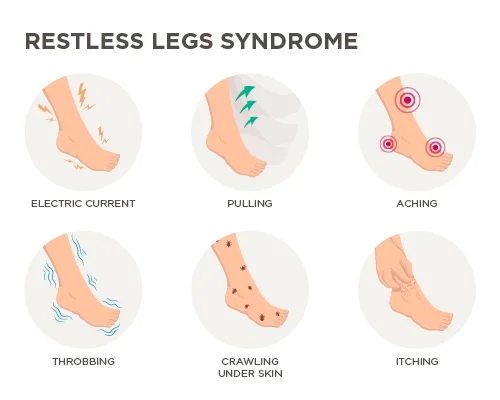
Have you ever felt an uncontrollable urge to move your legs, especially at night? Maybe it’s a tingling, crawling, or pulling sensation that makes it impossible to relax or fall asleep. If this sounds familiar, you might be experiencing Restless Legs Syndrome (RLS) — a common yet often misunderstood condition that affects millions of people worldwide.
While RLS is primarily a neurological condition, physiotherapy can play a vital role in easing symptoms, improving sleep, and restoring quality of life.
What Is Restless Legs Syndrome?
Restless Legs Syndrome (RLS) — also known as Willis-Ekbom disease — is a sensory-motor disorder characterized by uncomfortable sensations in the legs and an irresistible urge to move them. These sensations typically:
Occur during periods of rest or inactivity
Worsen in the evening or at night
Are temporarily relieved by movement (walking, stretching, or shaking the legs)
Over time, RLS can lead to sleep disruption, fatigue, and reduced daytime concentration
Common Causes and Contributing Factors
RLS can occur on its own (primary RLS) or as a result of another condition (secondary RLS). Common contributing factors include:
Genetic predisposition
Iron deficiency or low ferritin levels
Chronic diseases such as diabetes, kidney disease, or Parkinson’s
Pregnancy (often in the third trimester)
Certain medications, caffeine, nicotine, or alcohol use
Sedentary lifestyle or poor circulation
How Physiotherapy Can Help
While there’s no single cure for RLS, physiotherapy offers several effective ways to manage symptoms and improve comfort, especially when paired with medical treatment. Here’s how:
1. Stretching and Mobility Exercises
Gentle stretches for the calves, hamstrings, quadriceps, and hips can relieve tension and improve blood flow. Regular mobility exercises help reduce the build-up of discomfort during long periods of sitting or lying down.
2. Strengthening and Endurance Training
Building strength and endurance in the lower limbs promotes better circulation and muscular balance. A physiotherapist can design a tailored exercise plan including low-impact activities such as cycling, swimming, or Pilates.
3. Massage and Myofascial Release
Soft tissue techniques can reduce muscle tightness, improve relaxation, and enhance blood flow to the legs. A physiotherapist may also teach self-massage techniques you can do before bed.
4. Posture and Ergonomic Advice
Poor posture or sitting positions (like crossing the legs) can worsen circulation. A physiotherapist can advise on ergonomic adjustments at work or home to minimise triggers.
5. Lifestyle and Movement Coaching
Your physiotherapist can help you develop daily movement habits, such as:
Taking regular walking breaks
Using gentle leg stretches before bed
Avoiding long periods of inactivity
These small, consistent changes often make a big difference.
When to Seek Professional Help
If restless legs are affecting your sleep or daily life, it’s important to speak to your GP or physiotherapist. They can help determine whether your symptoms are related to RLS or another condition and guide you toward appropriate care.
Key Takeaway
Restless Legs Syndrome can be frustrating, but it doesn’t have to control your life. Physiotherapy offers practical, non-invasive tools to reduce symptoms, improve circulation, and restore restful sleep.